Flood Action Week runs from Monday 12 October. Its first ask is to sign up for free flood warnings, and you should. But that service cannot warn you about surface water, the kind of flooding that puts the most properties in England at risk. Here is what the gap means, and six ways to cover it.
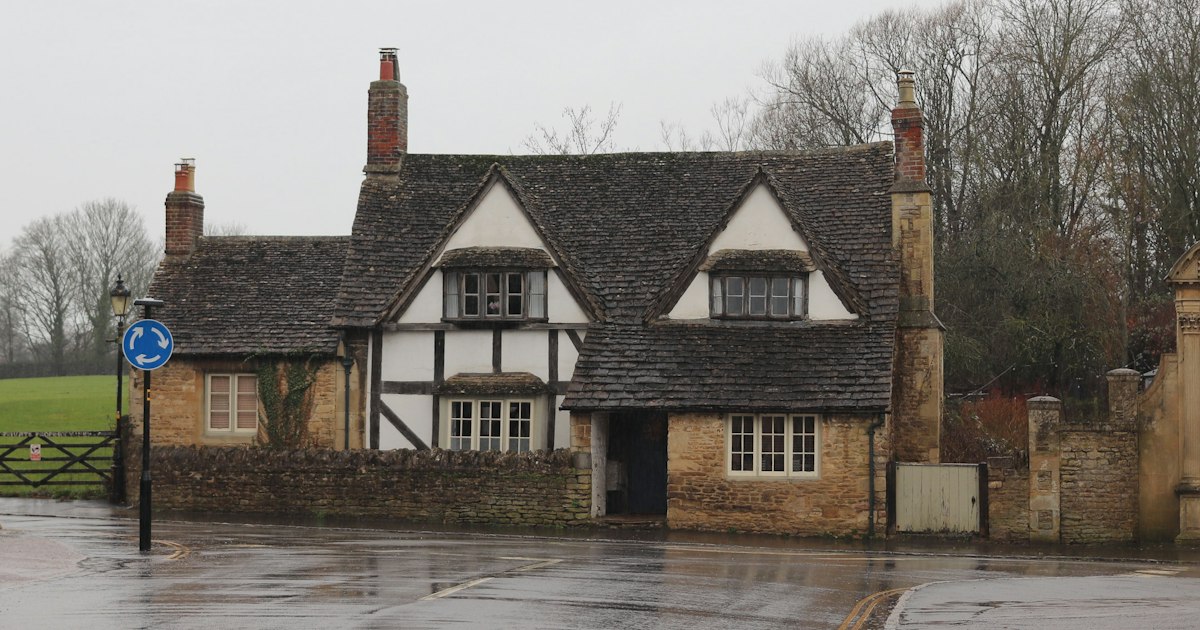
Photo: T (tanyabarrow) / Unsplash (illustrative)
Published 9 October 2026 · A RISE update · 4–5 minute read
Flood Action Week is the Environment Agency's yearly campaign asking households to get ready for flooding. This year it runs from Monday 12 October. The Agency gave the dates in a press release on 7 October about testing the flood defences at Northwich in Cheshire, where it repeated its headline figure: around 6.3 million homes and businesses in England are at risk from rivers, the sea or surface water.
It lands in a strange year. England is still in drought. On 2 October the Agency and Defra said most of England's reservoirs were classed as notably or exceptionally low, that September was the sixth month of 2026 with below-average rainfall, and that soils are still very dry. The same release said El Niño puts the UK at a slightly greater risk of a wet, stormy autumn, and that drought and flooding can happen at the same time. We explained why dry ground makes heavy rain worse in After the Hottest Summer on Record.
Signing up for flood warnings is free. You choose a phone call, a text or an email, and the service covers flooding from rivers, the sea and, depending on your area, groundwater. GOV.UK is plain about what it leaves out: “You cannot get flood warnings for surface water flooding”.
That matters because surface water is the bigger risk by number. The Agency's national flood risk assessment puts around 4.6 million properties in areas at risk from surface water, against around 2.4 million for rivers and the sea. About 750,000 are at risk from both. Surface water flooding is what happens when there is so much rain that it overwhelms the drains and runs over the ground. It can reach a street with no river anywhere near it.
So no warning does not mean no risk. It may only mean your risk is the kind the service does not cover. Our long read, The Cinderella of Flooding, sets out why surface water gets so little attention.
For a fuller list, organised by what keeps water out, what limits the damage and what gets you home faster, see the RISE Three-R Preparation Checklist.
RISE is an independent flood recovery advisory for homeowners. We are not an insurer or a broker, and we do not recommend insurance products. We work with homeowners in Buckinghamshire, Oxfordshire, Northamptonshire and Bedfordshire who have flooded or expect to.
If your home has flooded before and you want to know where you stand with your council, the RISE Section 19 Case Assessment is £250, delivered to your inbox. If water is rising as you read this, go to our emergency page.
Sources: Environment Agency, Getting winter ready: Northwich defences put to the test (GOV.UK, 7 October 2026). Defra and Environment Agency, England's reservoirs continue to feel drought strain after sixth dry month of 2026 (GOV.UK, 2 October 2026). GOV.UK, Get flood warnings by text, phone or email, Check the long term flood risk for an area in England and Prepare for flooding (all read 9 October 2026). Environment Agency, National assessment of flood and coastal erosion risk in England 2024 (published 17 December 2024, updated 5 August 2026). Environment Agency, Personal flood plan (updated 15 November 2023). Met Office, weather warnings guide (read 9 October 2026).
Live data from the Environment Agency, refreshed every 15 minutes.
No obligation. No jargon. By the end of the call you will have a clear view of your options — whether you engage RISE or not.
Call any time No callback RISE directly
Help us focus future content
RISE is researching gaps in publicly available flood recovery information. If you have 90 seconds, your responses help us understand what homeowners actually struggle to find clear answers on — and shape what we write next.
Take the 90-second survey →