Our guide to who to actually call gets you to the right door. This one is about what to do when you've already knocked on that door, formally, and nothing changed — the real escalation ladder, including an honest account of where it can and can't force a fix.
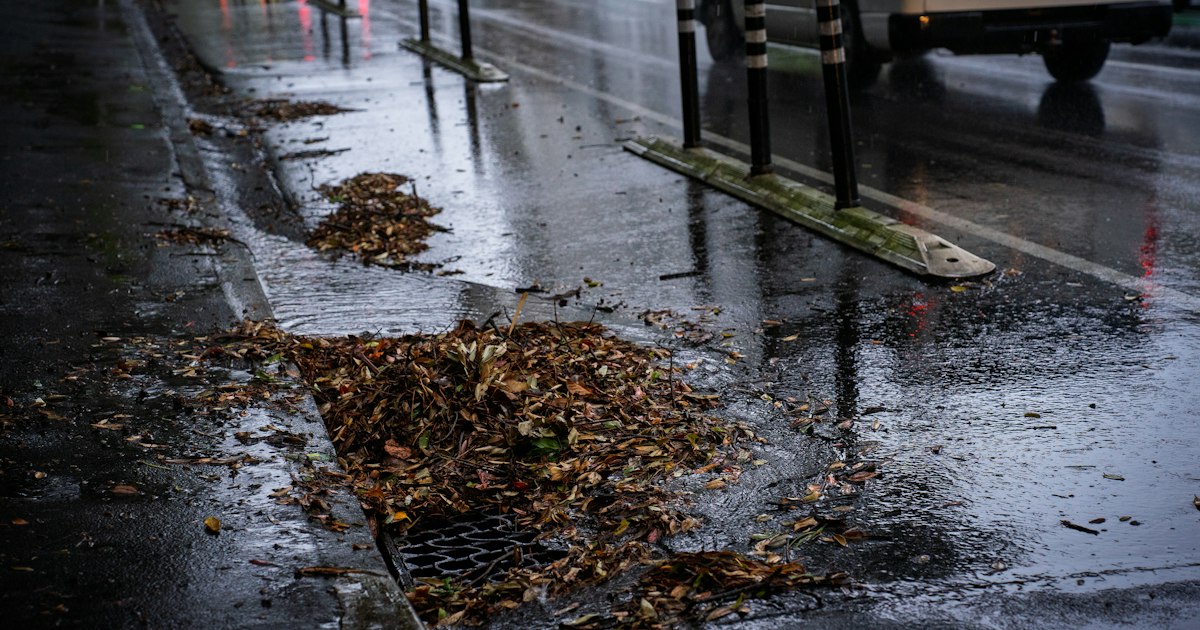
Photo: Matthew Larsen / Unsplash (illustrative)
Published 28 September 2026 · A RISE guide · 7–9 minute read · Updated 1 October 2026
Here is the uncomfortable fact underneath most unresolved drainage complaints in England: as we've set out in our guide to who's actually responsible when your property floods, the powers your council, the Environment Agency and your water company hold to manage flood risk are, in Parliament's own words, largely permissive, not compulsory. Knowing whose job it is doesn't automatically get the drain cleared. What it gets you is the right door — and from there, escalation has to be formal and specific to actually go anywhere.
This matters enough to state plainly, because overpromising here just sets people up for a second disappointment. Local Government and Social Care Ombudsman decisions on drainage complaints show a consistent pattern: the Ombudsman investigates maladministration and service failure — did the council follow its own process, respond within reasonable timeframes, communicate properly — not whether the underlying drainage infrastructure itself is adequate. In published decisions, the Ombudsman has been explicit that it cannot decide who is legally liable or order damages for your flood loss, although where it finds fault it can recommend an apology, action and a modest payment for the harm caused, and that a technical dispute over whether inadequate drainage caused your flood is a matter for insurers or the courts, not the Ombudsman.
What a well-documented escalation trail through this ladder does reliably achieve is different, and arguably more useful long-term: it builds a formal record of repeated, ignored reports about a known problem. That record is precisely the evidence base that matters if the flooding is later significant enough to trigger a Section 19 investigation under the Flood and Water Management Act 2010 — at which point your council must decide whether to investigate, and a documented history of prior warnings ignored becomes part of the case for what should have been done differently.
If a blocked drain or ignored drainage report has contributed to flooding on your property, and you want a professional assessment of your council's specific legal obligations rather than another round of unanswered emails, that's exactly what the RISE Section 19 Case Assessment and our Drainage & Council Escalation service are built for.
Sources: Local Government and Social Care Ombudsman, published drainage complaint decisions (lgo.org.uk, 2026); Water UK, appointment of an alternative dispute resolution provider (water.org.uk, May 2026); House of Commons Library briefing on flood responsibility, referenced in RISE's companion "who is responsible" guide.
Live data from the Environment Agency, refreshed every 15 minutes.
No obligation. No jargon. By the end of the call you will have a clear view of your options — whether you engage RISE or not.
Call any time No callback RISE directly
Help us focus future content
RISE is researching gaps in publicly available flood recovery information. If you have 90 seconds, your responses help us understand what homeowners actually struggle to find clear answers on — and shape what we write next.
Take the 90-second survey →