Articles, guides, and curated resources — from direct experience, with no agenda other than helping you make better decisions.
Safety, evidence, your insurer, cleaning, drying, your health, rebuilding stronger and making your council investigate. In order, in plain English.
Read the guide →More articles in preparation. Sign up for the free guide below to receive them by email when published.
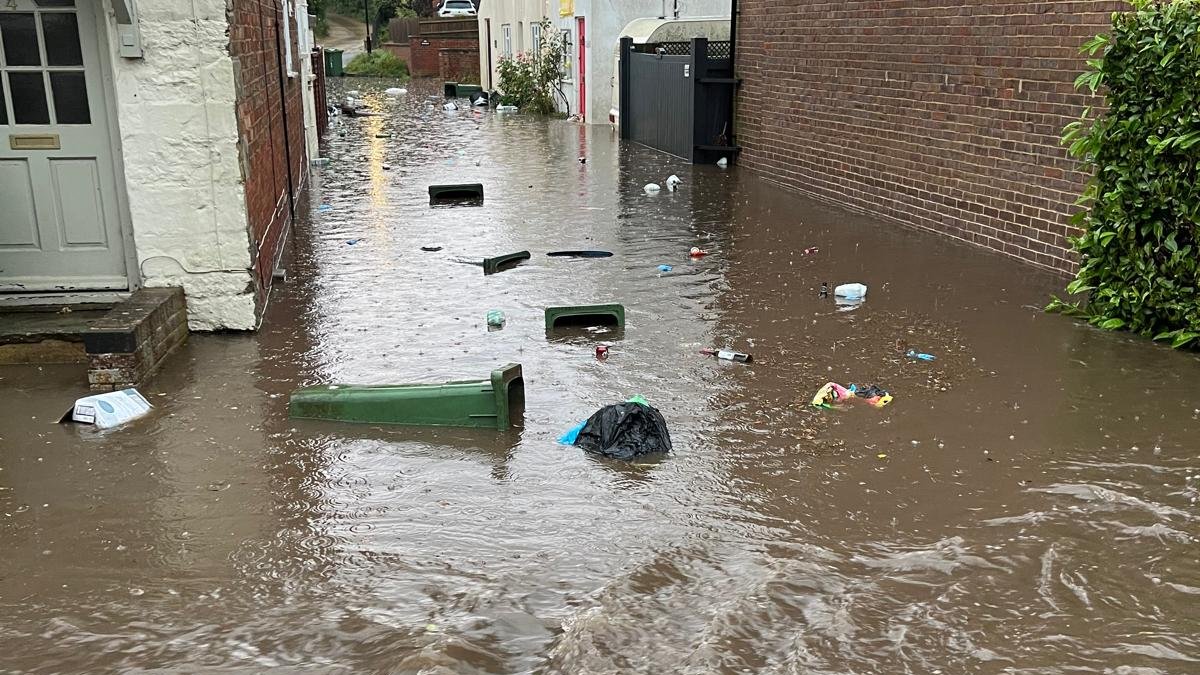
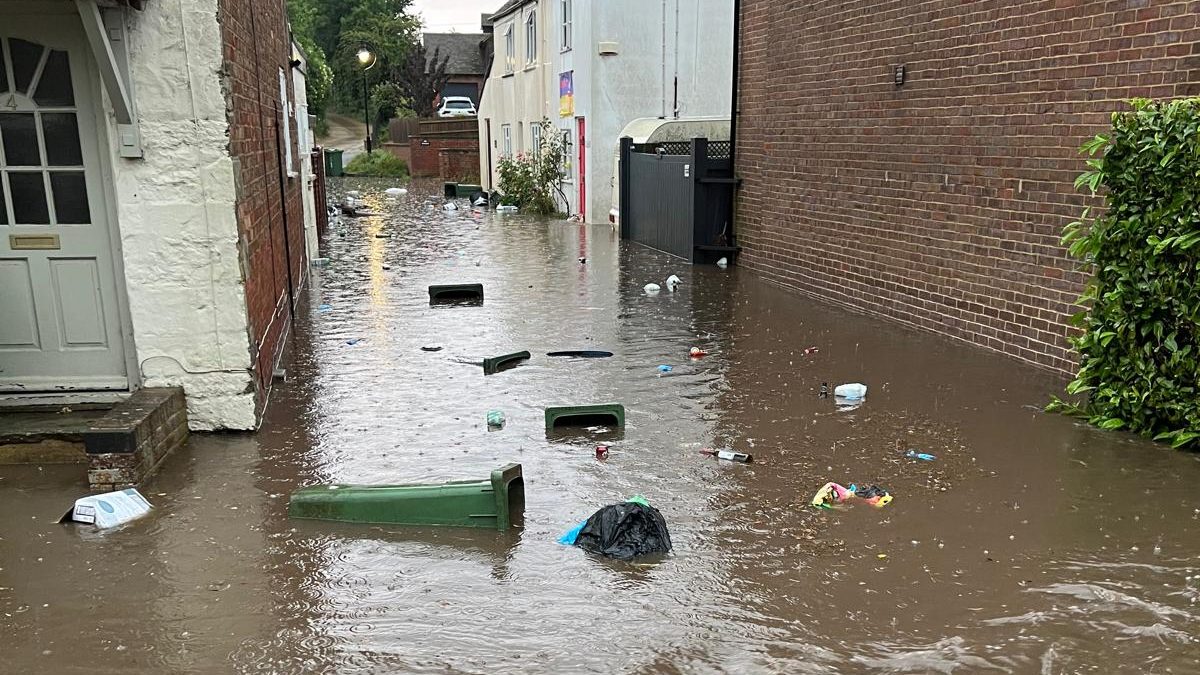
Surface water flooding happens when rainfall overwhelms drainage systems and has nowhere to go. It does not come from rivers. It comes from the ground beneath your feet — from drainage infrastructure that was never upgraded to cope with modern rainfall, modern population density, and modern paving.
4.6 million properties in England are at risk of surface water flooding — three times as many as are at risk from rivers and the sea.
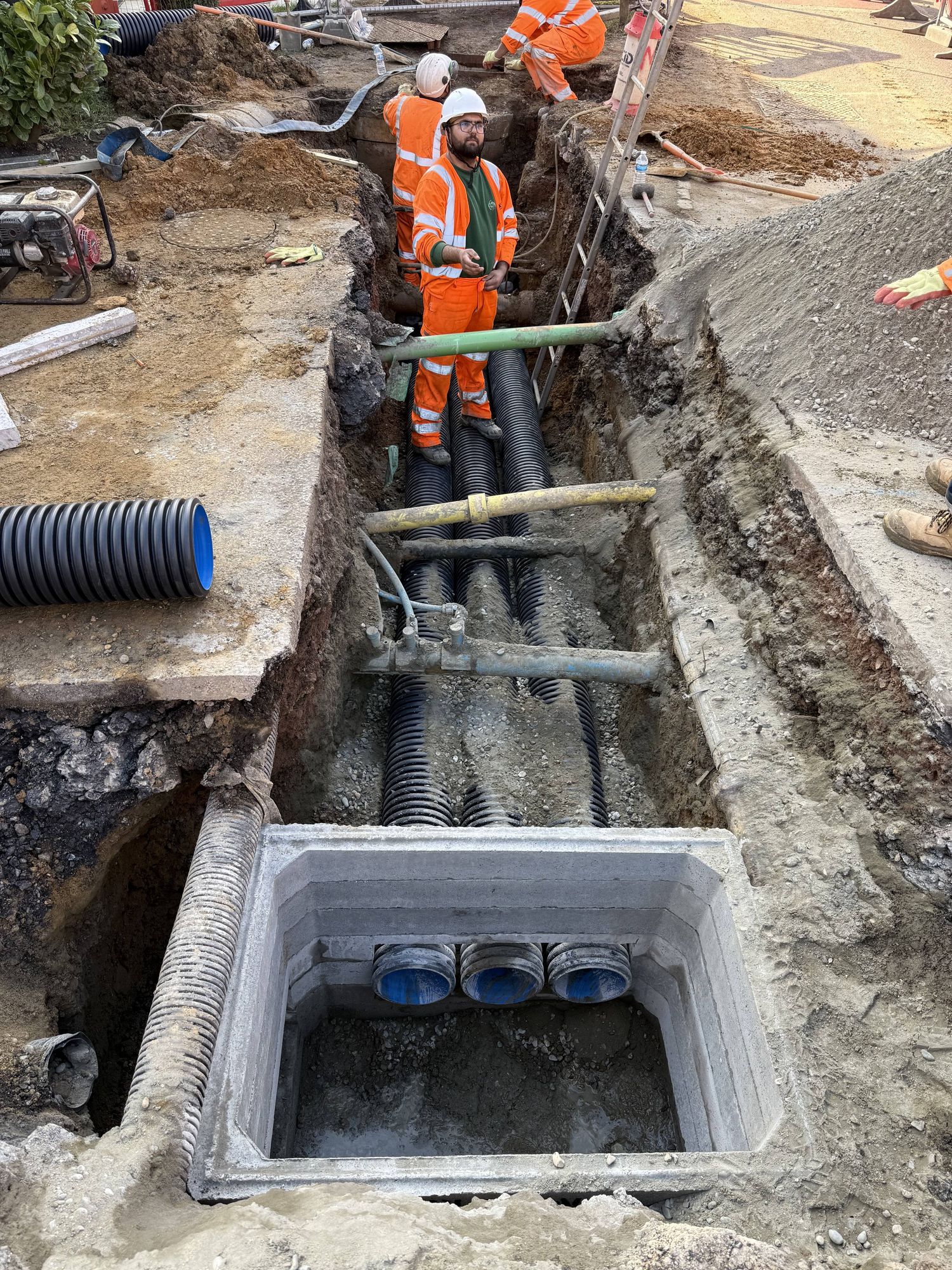
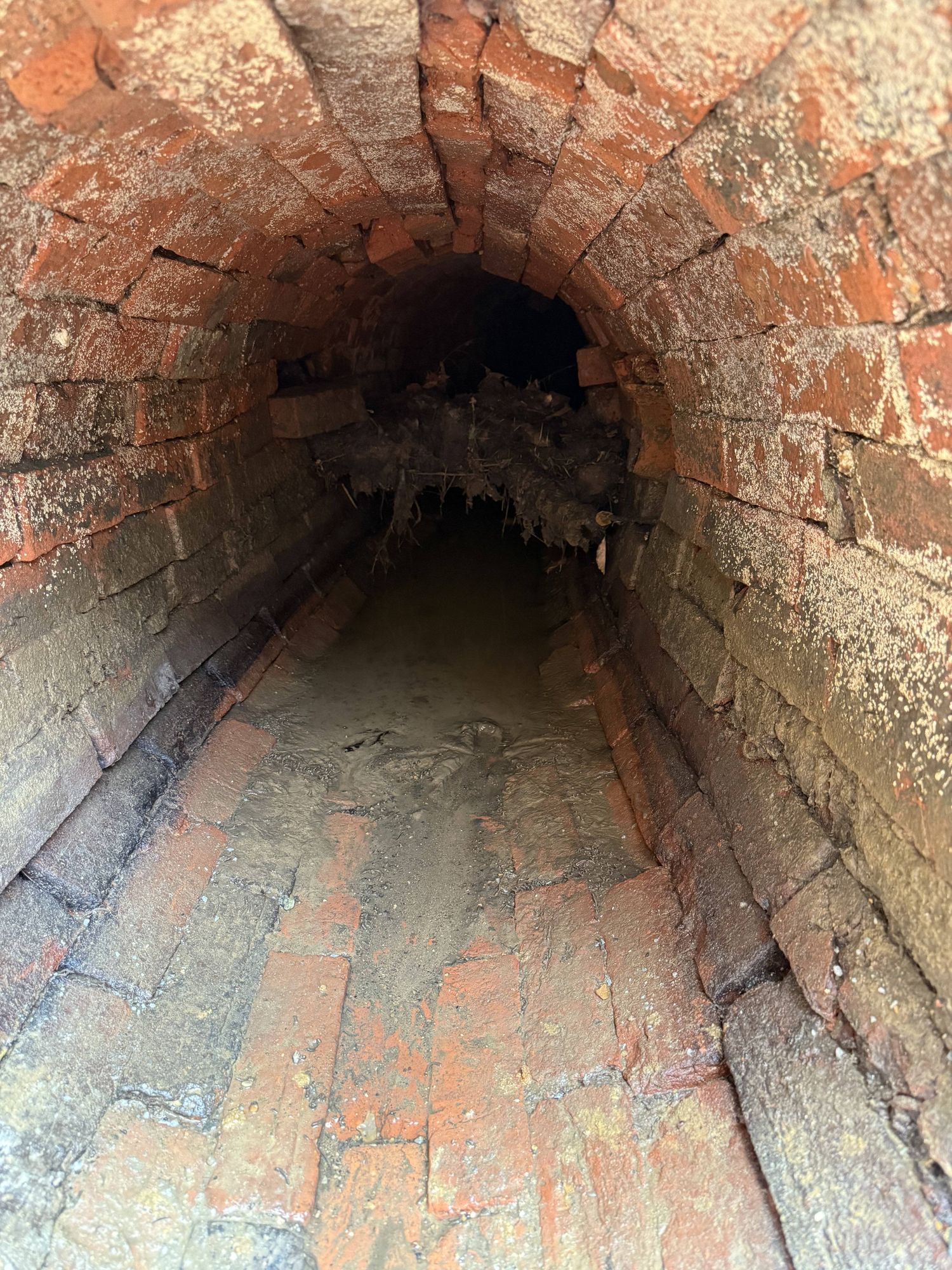
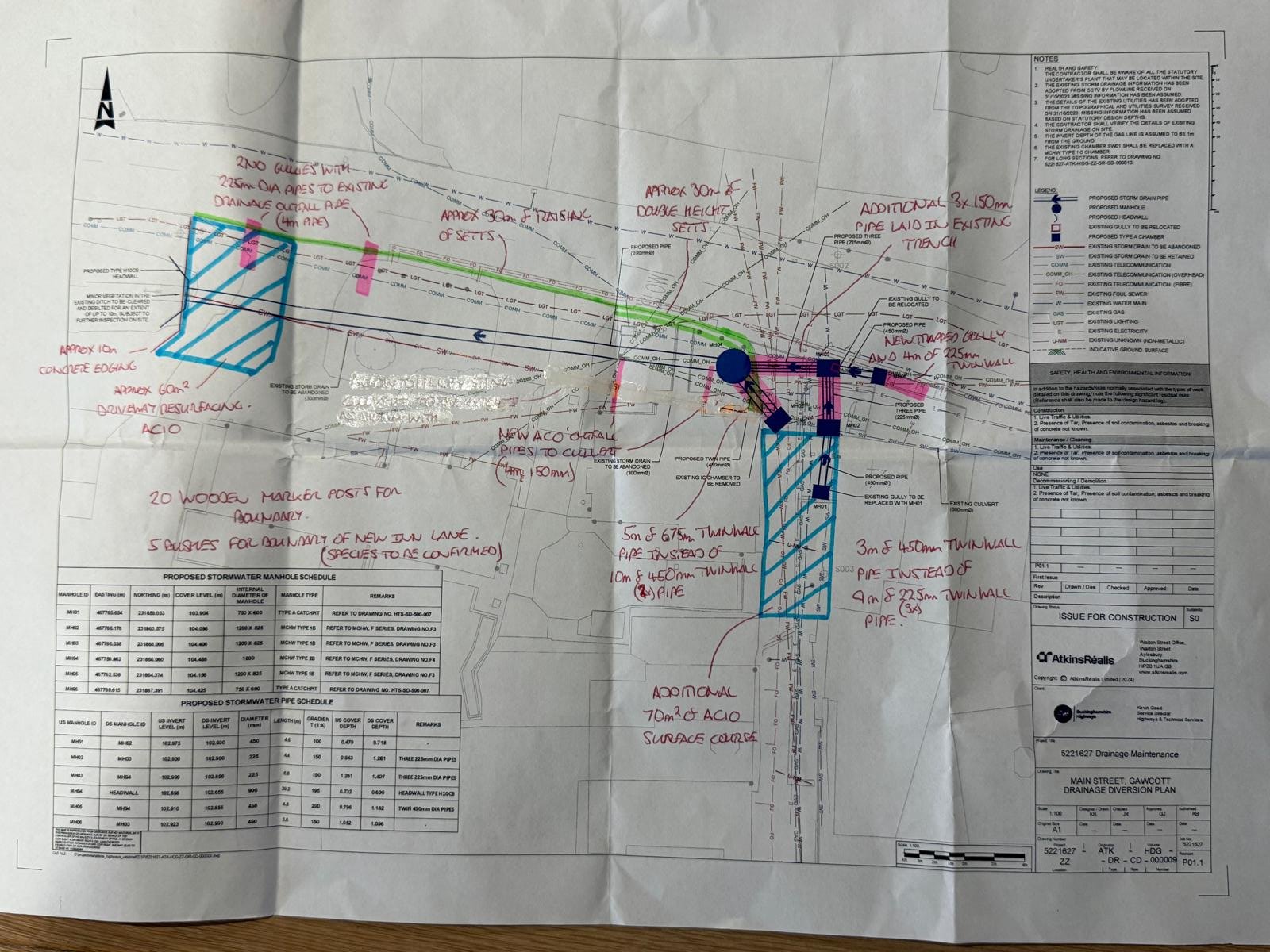
The village near Buckinghamshire where this project took place is recorded in the Domesday Book. The culvert system beneath the village was constructed in the 1800s. The village has grown substantially since — but the drainage beneath it had not.
"We had no rivers near us. No streams. We were not in a flood zone. We flooded twice anyway — because the infrastructure beneath the village had never been built to cope with what the village had become."
Founder, RISE Flood Recovery ConsultancyAll publicly available, all free to access. RISE directs every client to these because informed homeowners make better decisions.
The government's one-stop flood service, launched October 2026: check your risk, get free warnings, see live flooding and make a plan.
gov.uk/flood-action ↗The Environment Agency's official mapping tool — rivers, sea, surface water, and groundwater risk by postcode.
gov.uk/check-long-term-flood-risk ↗The Environment Agency's flood zone map for planning applications. Use it before building or extending to see the flood zone and whether a flood risk assessment is needed.
flood-map-for-planning.service.gov.uk ↗Free flood warnings by text, phone or email. Floodline: 0345 988 1188, textphone 0345 602 6340, open 24 hours.
gov.uk/get-flood-warnings ↗Free email alerts when a severe weather warning, including heavy rain, is issued for your region.
metoffice.gov.uk email alerts ↗The Environment Agency's latest readings from its monitoring stations: river, sea, groundwater and rainfall levels, with recent trends.
check-for-flooding.service.gov.uk/river-and-sea-levels ↗Eligibility checker, participating insurers, and Build Back Better information.
floodre.co.uk ↗The professional body for structural waterproofing and flood resilience. Ask whether a contractor is a PCA member, and ask for references and written guarantees.
property-care.org ↗National charity and Blue Pages directory of Property Flood Resilience specialists.
nationalfloodforum.org.uk ↗The Code of Practice for Property Flood Resilience, free to download. It comes as four documents: the standards (C790A), guidance on meeting them (C790B), a factsheet for households and businesses (C790C) and guidance for local authority planners (C790D). Homeowners should start with C790C. Every flood contractor should work to this standard.
ciria.org/pfr ↗Specialist flood insurance brokers for hard-to-insure properties.
biba.org.uk/find-insurance ↗Official guidance on immediate steps, safety, and the recovery process.
gov.uk/after-flood ↗A plain-English guide to the information gap that costs flood victims tens of thousands of pounds. Free. No strings attached.
No obligation. No jargon. By the end of the call you will have a clear view of your options — whether you engage RISE or not.
Call any time No callback RISE directly