
In May 2026 the government's climate advisers set out what flooding in the UK could look like by 2050. A 25-year mortgage taken out today ends around then. Here is what the Climate Change Committee found, and the checks a buyer can make now that will still matter in 2050.
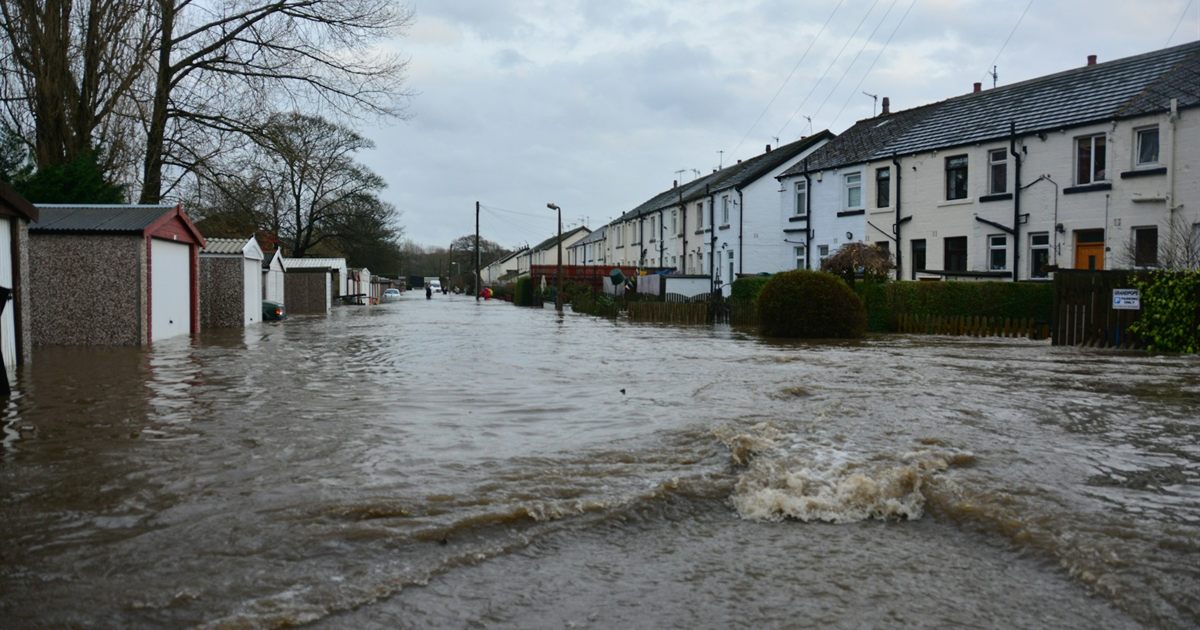
Cottingley, West Yorkshire, during the River Aire floods of December 2015. Photo: Chris Gallagher / Unsplash (illustrative only; nothing shown is connected with this article)
Published 15 November 2026 · A RISE update · 6–8 minute read
The Climate Change Committee advises the government on how the UK should prepare for climate change. Its report A Well-Adapted UK, published on 20 May 2026, plans around a world 2°C warmer by 2050. These are its headline findings on flooding.
| The Committee's finding | Figure |
|---|---|
| Properties in flood-risk areas across the UK today | Nearly 7 million |
| Peak river flows | Up to 45% higher, lasting longer and seen more often |
| Intensity of heavy bursts of rain, all year round | Around 15–60% higher than the late 20th century |
| Properties at risk by 2050, under 2°C of warming | Could rise by up to 40% |
| Potential flood damages each year by 2050 | £4.5 billion (2025 prices) |
The Environment Agency's own figures point the same way for England: 6.3 million houses at risk today, rising to 8 million by the middle of the century.
The Committee warns that by 2050, under 2°C of warming, “many homes and businesses, particularly in areas of high flood risk, may not be able to access insurance due to lack of coverage or high premiums.”
There is a date inside that window. Flood Re, the scheme that keeps flood cover affordable for many older homes, “will run until 2039, at which point insurers should be offering policies based on actual risk to property.” For a house bought today, that is year 13 of a 25-year mortgage. Our guide to what Aviva's warning means for new-build homeowners explains which homes the scheme already leaves out.
None of this means a buyer should avoid every home near water. It means pricing the next 25 years, not the last 25.
Sources: Climate Change Committee, A Well-Adapted UK (20 May 2026) and Well-Adapted UK Adaptation investment analysis (May 2026). Environment Agency, How climate change is impacting the way flooding is managed (20 Jul 2026). Flood Re, About us.
Live data from the Environment Agency, refreshed every 15 minutes.
No obligation. No jargon. By the end of the call you will have a clear view of your options — whether you engage RISE or not.
Call any time No callback RISE directly
Help us focus future content
RISE is researching gaps in publicly available flood recovery information. If you have 90 seconds, your responses help us understand what homeowners actually struggle to find clear answers on — and shape what we write next.
Take the 90-second survey →