
The government's official flood risk tool is free and genuinely useful. It also, by its own admission, tells you the flood risk of an area — not the specific property you're about to buy. That difference matters more than most buyers realise, especially in a market where vendors are now actively marketing paid flood-risk mapping as a premium add-on.
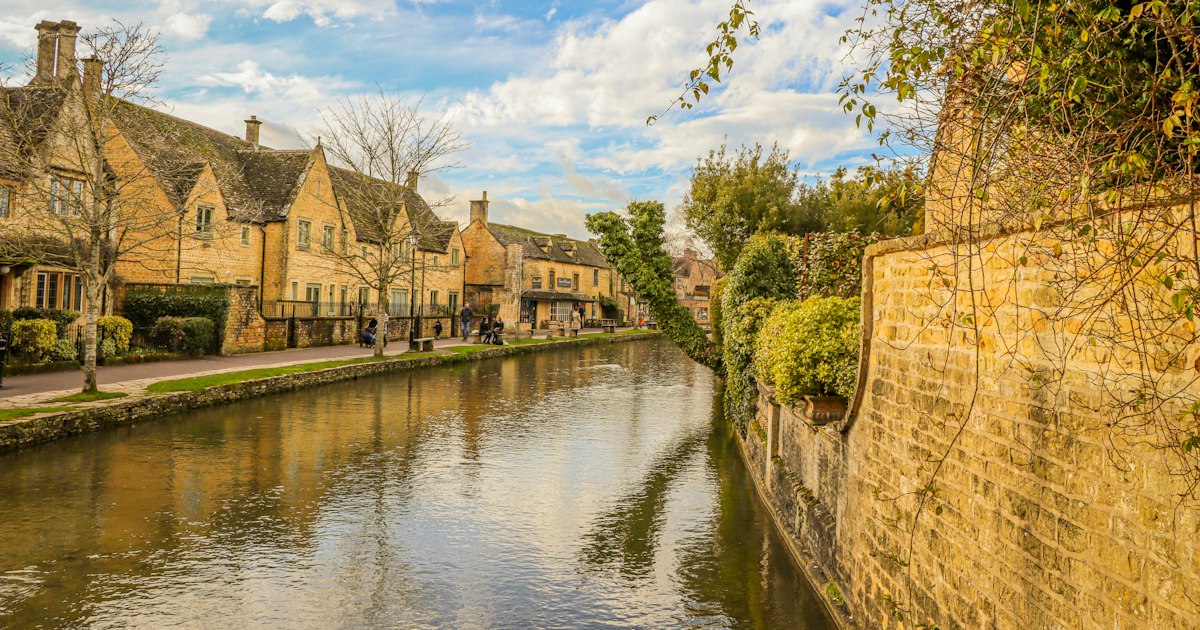
Photo: martin fenton / Unsplash (illustrative)
Published 28 September 2026 · A RISE guide · 6–8 minute read · Updated 1 October 2026
The government runs a free, official tool at check-long-term-flood-risk.service.gov.uk that shows flood risk by area for England. It's a genuinely good first step, and it's free. Start with the free tool. A paid property-level report can add detail, but check what it shows that the free tool does not before you buy one. But its own guidance is explicit about what it actually measures: it tells you the flood risk of an area, not a specific property within it. Two homes on the same street can sit at meaningfully different risk depending on their exact elevation, their distance from a specific watercourse or drain, and their individual drainage — detail an area-level tool was never built to capture.
As we've covered in our separate guide to groundwater flooding, this specific flood type — water rising from saturated ground rather than arriving from a river, the sea, or an overwhelmed drain — is assessed differently to other flood risks. The government tool covers groundwater only where data exists, so a clean result is weak evidence. Ask the seller and the surveyor directly. If you're buying in Chalk geology areas like the Chilterns or the wider Thames Valley, a clean result on a standard flood risk tool tells you comparatively little about groundwater risk specifically, and it's worth asking about directly rather than assuming it's covered.
If you're weighing up buying a property with genuine, documented flood history and want an independent read on what a council's own records actually show — separate from anything a seller or estate agent tells you — the RISE Section 19 Case Assessment is £250, delivered to your inbox.
Sources: GOV.UK, "Check long term flood risk" service (check-long-term-flood-risk.service.gov.uk, 2026).
Live data from the Environment Agency, refreshed every 15 minutes.
No obligation. No jargon. By the end of the call you will have a clear view of your options — whether you engage RISE or not.
Call any time No callback RISE directly
Help us focus future content
RISE is researching gaps in publicly available flood recovery information. If you have 90 seconds, your responses help us understand what homeowners actually struggle to find clear answers on — and shape what we write next.
Take the 90-second survey →