
Most flood guidance assumes water arrives from a river, the sea, or an overwhelmed drain. Groundwater flooding does none of that — it rises up from saturated rock beneath the ground itself, and it's a particular risk across the Chalk geology that runs through the Chilterns and much of southern England.
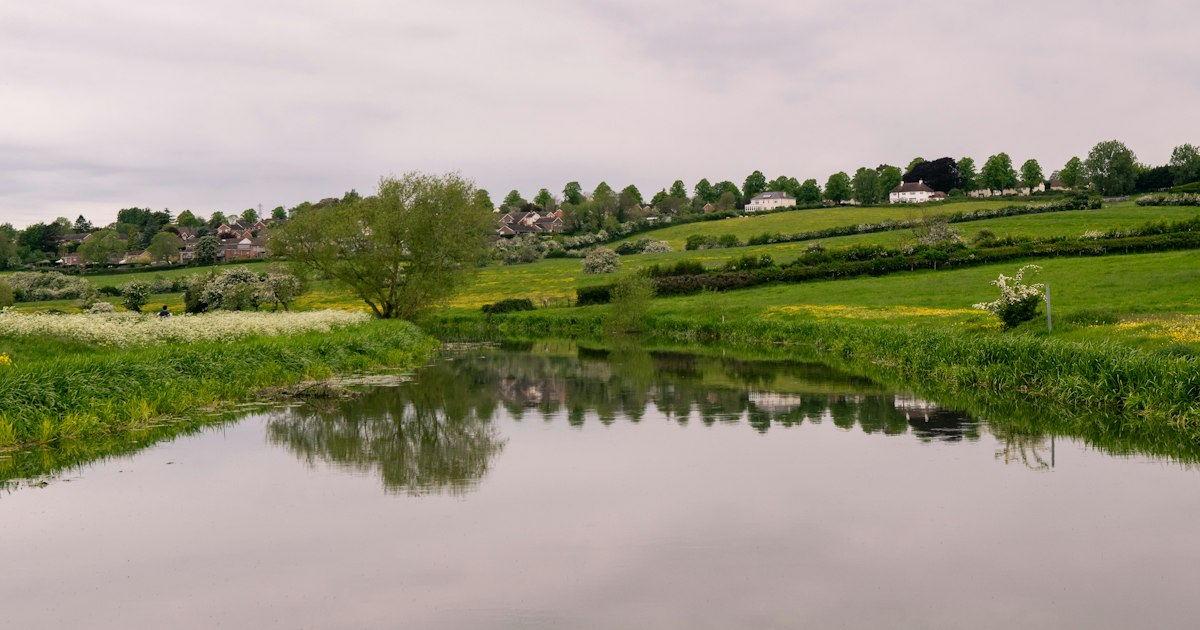
Photo: Jonathan Mabey / Unsplash (illustrative)
Published 28 September 2026 · A RISE guide · 6–8 minute read
Groundwater flooding happens when prolonged rainfall soaks through soil and into the permeable rock layers beneath it — aquifers — faster than that water can drain away. The water table beneath the ground rises, and once it rises high enough, water emerges at the surface: through cellars and basements, up through floors, out of the ground in gardens and fields that show no other sign of flood risk at all.
According to the British Geological Survey, the areas most exposed to this specific mechanism are the Chalk valleys of South-East England, where groundwater commonly emerges through natural springs, along with river valleys underlain by sand and gravel sitting on top of clay bedrock. That description covers a large stretch of the Chilterns and the wider Thames Valley chalk belt — geology that runs directly through RISE's own core operating counties.
Three practical differences matter if this is what's affecting your property:
Groundwater flooding is, in the words of flood risk specialists who work on planning applications, one of the most overlooked constraints in development — not because it's obscure, but because standard planning flood risk assessments are typically triggered by river, tidal, and surface water sources, with groundwater assessment requirements applied far less consistently. A site can clear every standard flood risk check and still sit on ground with a real, documented history of a rising water table.
Responsibility for groundwater flooding in England generally sits with your council as Lead Local Flood Authority, though as we've covered in our guide to who to actually call when your property floods, groundwater cases are notoriously difficult to resolve quickly precisely because the cause is diffuse and slow-moving rather than a single identifiable blockage or failure.
If groundwater has flooded your home more than once and you want to understand your council's specific obligations, the RISE Section 19 Case Assessment is £250, delivered to your inbox.
Sources: British Geological Survey, groundwater flooding research (bgs.ac.uk); GeoSmart Information, "Groundwater Flood Risk Explained" (geosmartinfo.co.uk, 2026).
Live data from the Environment Agency, refreshed every 15 minutes.
No obligation. No jargon. By the end of the call you will have a clear view of your options — whether you engage RISE or not.
Call any time No callback RISE directly
Help us focus future content
RISE is researching gaps in publicly available flood recovery information. If you have 90 seconds, your responses help us understand what homeowners actually struggle to find clear answers on — and shape what we write next.
Take the 90-second survey →