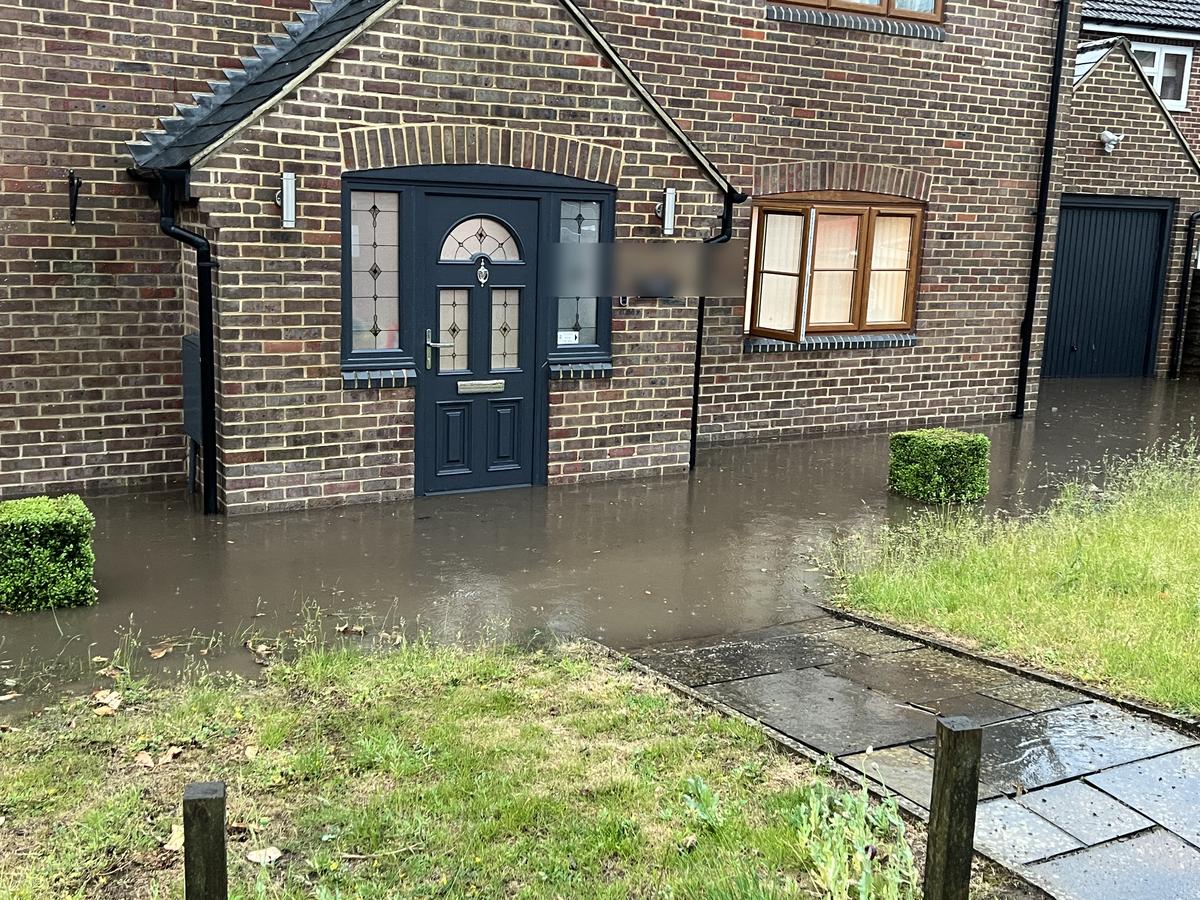
The loss adjuster works for the insurer. The contractor works for whoever signs their invoices. RISE works exclusively for the homeowner.
Every flood that goes unreported is a flood that never officially happened. Don't wait for a second flood to prove the first one happened — get your personalised Section 19 Case Assessment today, delivered to your inbox within 15 minutes.
Available 24 hours No callback RISE directly
Founded on direct experience — two floods · two years displaced · £2m+ of council-funded works secured
Barriers, drainage, and the physical defences that stop the next flood at the threshold — and the council-funded infrastructure that should be protecting your street.
Property ReviewBuild Back Better entitlements, resilient materials, and rebuild decisions that mean the next flood costs days — not another two years of your life.
Build Back BetterYour insurance paid in full, your rebuild done properly, and your council held to its statutory Section 19 obligations — the stage where RISE has secured £2m+ in works.
Section 19 AssessmentTell your insurer promptly, then call RISE before you agree anything. The decisions made in the first 72 hours define the entire recovery. Most flood victims make at least two costly mistakes before anyone independent arrives.
Emergency Guidance What to Do After a FloodYou are still in the critical window. The scope hasn't been signed off, the rebuild hasn't started. There is still time to change how this goes.
Guidance ServiceThe rebuild is underway, the loss adjuster is making decisions. Something is wrong — and you don't yet have the language to say precisely what it is.
Talk to RISEWhen your home floods, every professional who arrives is working for someone else. The information gap between what you know and what you need to know can cost flood victims thousands of pounds.
Read the RISE StoryThey don't tell you what your accommodation budget really covers.
A £50,000 headline limit may fund just 6–8 months of rental once utilities, council tax, removal, and storage are deducted. A typical recovery takes 9–18 months.
They don't tell you about Build Back Better.
Up to £10,000 per claim for flood resilience measures — available since 2022. Many homeowners are never told about it. Some who do are still denied it through the broker channel.
They don't tell you the rebuild isn't flood-resilient.
BS 85500:2025 and Ciria C790 define the standard. In our experience, many insurer-appointed contractors do not specify to it, and neither standard is compulsory. The rebuild looks finished. The vulnerability remains.
They don't tell you the cause may be someone else's responsibility.
Collapsed culverts, failed highway drains — infrastructure failures that belong to councils and water companies. Nobody appointed by your insurer has any incentive to identify this.
They don't tell you not claiming has consequences.
An average flood claim was about £30,000 in 2025 (ABI). Self-funding means you carry that cost yourself. You lose any Build Back Better support, because it is paid through a claim. The work is done without oversight or warranty.
They don't tell you about DPM continuity.
The most preventable cause of a second flood. Once screed is poured over a severed damp proof membrane, the damage is invisible — until the water comes again.
We explain what your policy says, what your accommodation budget will actually cover, who your loss adjuster works for, and the options open to you. From £500.
Learn more →Independent eyes on your rebuild. Scope and contract review against BS 85500:2025 and Ciria C790. Meeting attendance and site oversight alongside you. From £450/day.
Learn more →Section 19 evidence, council escalation, responsible party identification. RISE secured £2m+ of council works in one case.
Learn more →Independent review of any previous reinstatement. DPM check, tanking integrity, written report. From £400.
Learn more →Anyone can call a rebuild “flood resilient”. RISE measures every scope, contract and finished rebuild against two published benchmarks. Neither is compulsory — which is why so many insurer-led repairs fall short of them.
The British Standards Institution’s guide to flood resilient construction, revised in 2025. It sets out what a building that performs well in a flood looks like: keeping water out where possible, and limiting the damage when it gets in.
The industry Code of Practice for Property Flood Resilience. It sets out how the work should be done — hazard assessment, survey, design, installation, commissioning and maintenance — so that nothing is missed.
In the founder’s own home, a chartered PCA-member building consultant confirmed that the insurer’s contractor had cut the damp-proof membrane. The second rebuild followed both standards. Read the story.
"Think of it this way. The premiums you have paid over the years represent a promise. When your home floods, it is time to call that money back in — every penny of it. RISE exists to make sure you do."
Founder, RISE Flood Recovery ConsultancyNo shareholders. No targets that conflict with your outcome.
A fair, transparent fee — what makes full independence possible.
Flooded twice. Rebuilt independently. Every step is known.
International property, development, and restoration experience.
Every stage of two full flood recoveries — photographed, minuted, and followed through to completed public infrastructure. The same discipline RISE brings to your case.
See The EvidenceNo obligation. No jargon. By the end of the call you will have a clear view of your options — whether you engage RISE or not.
Call any time No callback RISE directly
Live data from the Environment Agency, refreshed every 15 minutes.