
Usually 4 to 8 weeks with drying equipment, and often longer. After the 2007 floods, only half of affected homes were dry within three months. How long yours takes depends on the walls, the floors, the insulation and how the drying is done. Here is what decides it, how to tell when a house is really dry, and what a drying certificate should show.
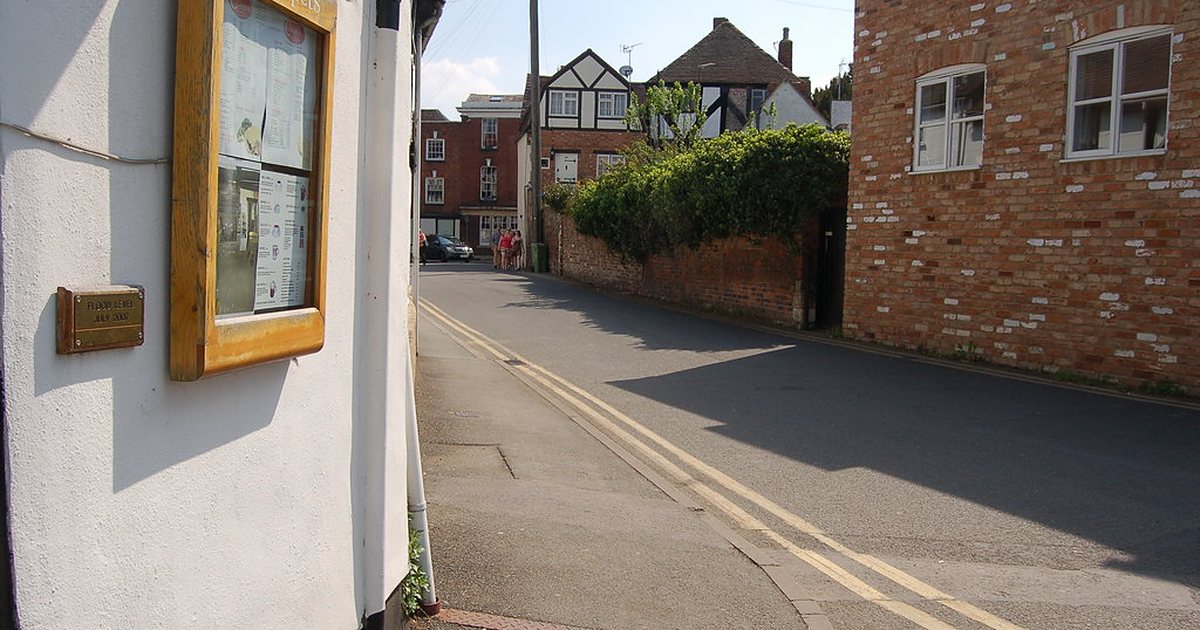
A plaque marks the July 2007 flood level on a building in Tewkesbury. Photo: Roger Davies / Geograph, CC BY-SA 2.0, cropped (illustrative only; nothing shown is connected with this article)
Published 21 November 2026 · A RISE guide · 7–9 minute read
Our guide to what to do after a flood sets out the drying steps in order. This article answers the question that comes next: how long will it take, and how will you know when it is done? The figures below come mainly from a review of drying guidance carried out for the government by CIRIA, HR Wallingford and the University of Wolverhampton. It remains the most thorough public account of how long flooded homes in England have actually taken to dry.
The honest answer is a range, and a wide one.
Insurers' own guidance has said that several months may need to be allowed. After a large flood, drying usually takes longer than after a single flooded house, because experts and equipment are stretched across a whole area.
Not for a set number of days, but until measurements show the building has reached the agreed drying target. A few points from the guidance make dehumidifiers work properly:
The UK Health Security Agency says the water collected by a dehumidifier can go down an ordinary sink or drain. Floodwater can be contaminated, so wear gloves when you empty the tank.
Not by touch, by eye or by the calendar. The guidance is clear that none of those tells you whether a material is dry enough to repair. There is also no single moisture percentage for a whole house, because brick, plaster, timber and concrete each hold different amounts of water when dry. So the target has to be set material by material, before drying starts, and agreed with you.
Examples of the targets used in building guidance:
The review also recommends that drying conditions are monitored and that you receive a progress report at least weekly.
A drying certificate is the written record that the drying goals have been reached. It is usually issued when the drying company hands the house over to the repair contractor. The government review suggests it may be better issued at the end of the repairs, with interim statements at handover, because repair work such as new plaster and screed can put moisture back into the building.
There is no single official form. In our view, a drying certificate worth having shows:
Keep it with your other flood papers. It is part of what a buyer's solicitor may ask for if you sell, as our guide to answering the flood question on the property information form explains, and it is evidence for an insurer at renewal.
On an insured claim, the drying company is often appointed by the insurer or its loss adjuster. That is normal, but it means the paperwork is yours to ask for:
Closing up too soon is the most expensive mistake in a flood repair. RISE's own founder flooded a second time after a first rebuild went wrong, and the Evidence page shows what was found. If you want someone independent checking the drying and the repair on your side, see our Rebuild Oversight service, or start with a free 30-minute call.
Sources: Department for Communities and Local Government, Guidance and standards for drying flood damaged buildings: signposting current guidance (BD 2760, November 2010; prepared by CIRIA, HR Wallingford and the University of Wolverhampton), including its summaries of BRE Good Repair Guide 11 and PAS 64. UK Health Security Agency, How to recover from flooding. Checked 12 October 2026.
Live data from the Environment Agency, refreshed every 15 minutes.
No obligation. No jargon. By the end of the call you will have a clear view of your options — whether you engage RISE or not.
Call any time No callback RISE directly
Help us focus future content
RISE is researching gaps in publicly available flood recovery information. If you have 90 seconds, your responses help us understand what homeowners actually struggle to find clear answers on — and shape what we write next.
Take the 90-second survey →