
Section 19 of the Flood and Water Management Act 2010 is the legal foundation nearly every serious flood recovery case eventually rests on. It is also widely misunderstood — including the belief that a bad enough flood automatically triggers an investigation. It doesn't. Here's exactly what the law says, in its own words.
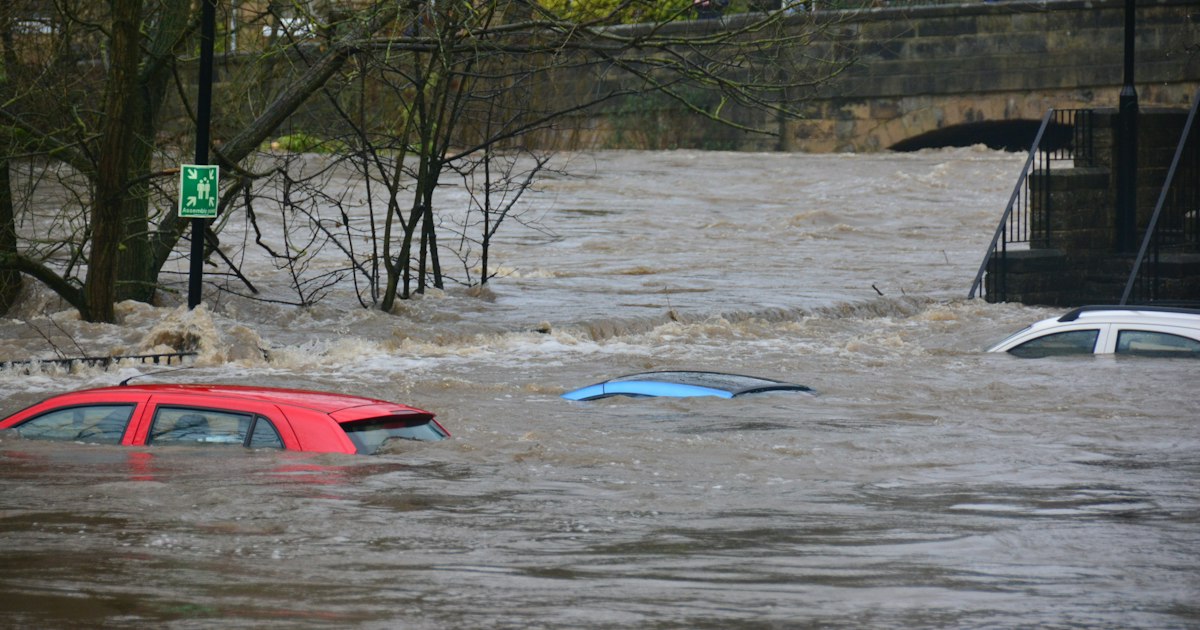
Photo: Chris Gallagher / Unsplash (illustrative)
Published 28 September 2026 · A RISE guide · 7–9 minute read · Updated 1 October 2026
Section 19 has been in force since 6 April 2011, and its actual statutory text is narrower than most people assume. It requires that when a lead local flood authority becomes aware of a flood in its area, it must, to the extent that it considers it necessary or appropriate, investigate: which risk management authorities have relevant flood functions, and whether each of those authorities has exercised, or is proposing to exercise, those functions in response.
That qualifying phrase gives your council real discretion over whether a given flood warrants formal investigation at all, and if so, how thorough that investigation needs to be. In practice, local authorities generally develop their own internal thresholds — often based on the number of properties affected, whether critical infrastructure was disrupted, or the severity of internal flooding — for deciding when a Section 19 investigation is triggered. A single garden flooding, however distressing for the homeowner, is treated very differently to a flood affecting dozens of properties across a street or village.
This is precisely the same "permissive, not compulsory" pattern that runs through UK flood risk law generally, as we cover in our guide to who's actually responsible when your property floods. Section 19 is a duty to investigate as far as the council thinks necessary or appropriate, not an unconditional promise of action.
Where a lead local flood authority decides an investigation is warranted, the Act requires two further things once it's complete: the authority must publish the results of its investigation, and must notify any relevant risk management authorities identified in the process. That published report becomes a formal, public record of which authorities held relevant powers, and whether or how those powers were used — and it is that documented record, not the flood itself, that tends to be the actual lever for securing infrastructure investment afterwards.
Two things typically go wrong. First, many residents don't realise the investigation is discretionary, assume it will happen automatically after a bad enough flood, and don't formally request one or provide the evidence that would help a council decide it's "appropriate." Second, even where an investigation does happen and a report is published, turning that report into actual infrastructure investment is a distinct, sustained piece of engagement — not a natural next step the council takes on its own initiative.
We don't publish a step-by-step template for running that engagement yourself, for the same reason a solicitor doesn't publish a template for winning your specific case: the details of what makes a Section 19 report land with real weight vary enormously by authority, by flood type, and by what evidence already exists. What we can tell you plainly is that it is a specific skill, built on understanding exactly how a given council's Section 19 process works in practice — which is the entire basis of the RISE Section 19 Case Assessment, £250, delivered to your inbox, analysing your specific case against your authority's legal obligations under this Act.
Sources: Flood and Water Management Act 2010, Section 19 (legislation.gov.uk); Defra, "Investigating a flood: guidance for lead local flood authorities" (gov.uk).
Live data from the Environment Agency, refreshed every 15 minutes.
No obligation. No jargon. By the end of the call you will have a clear view of your options — whether you engage RISE or not.
Call any time No callback RISE directly
Help us focus future content
RISE is researching gaps in publicly available flood recovery information. If you have 90 seconds, your responses help us understand what homeowners actually struggle to find clear answers on — and shape what we write next.
Take the 90-second survey →