Flood guidance is full of numbers about excess, rebuild costs, and grant limits. It is almost entirely silent on this: 69% of flood survivors in a major UK study said their mental health was affected, and only a third of them ever received professional support for it. This is the part of flood recovery nobody prices into a claim.
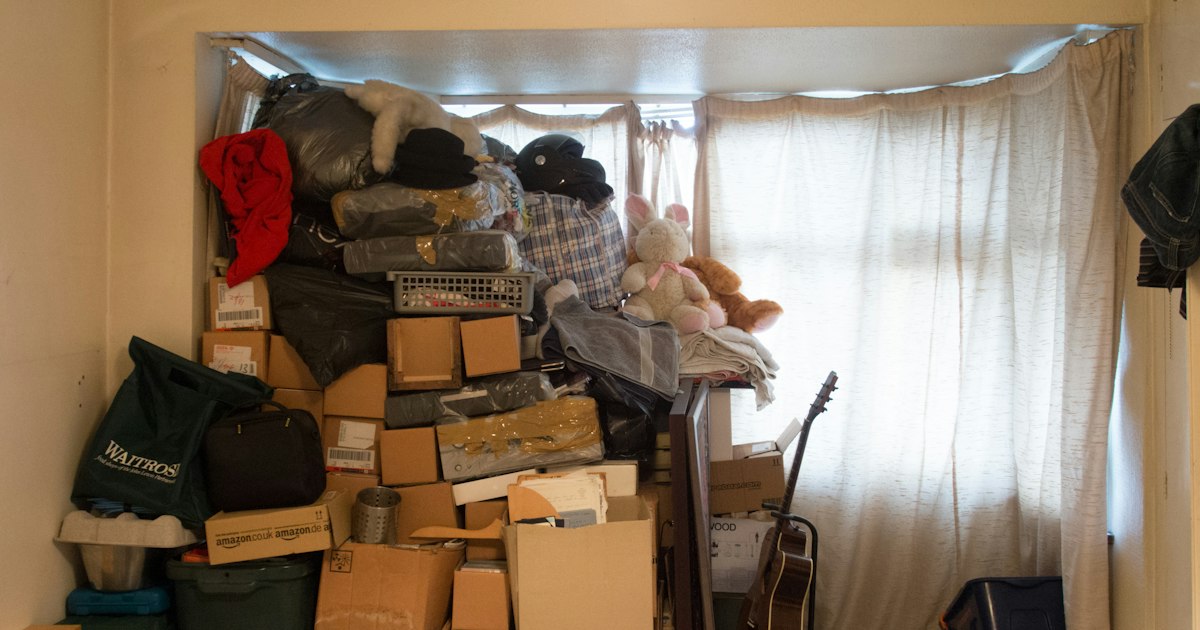
Photo: Brett Jordan / Unsplash (illustrative)
Published 28 September 2026 · A RISE update · 6–8 minute read · Updated 1 October 2026
In January 2026, the National Emergencies Trust and Lancaster University published "Stories After The Storms," research led by Dr Cath Hill of Lancaster University, drawing on surveys and one-to-one interviews with more than 100 flood survivors across the UK, with contributions including flood survivor and Flooded People UK co-founder Heather Shepherd. It is one of the few pieces of research to put hard numbers on what flooding actually does to people, beyond the cost of repairs.
The figures are worth sitting with rather than skimming past:
| What the research found | Figure |
|---|---|
| Flood-affected people who had to leave their homes | 61% |
| Lived elsewhere for a sustained period, not just days | 37% |
| Never returned to their homes at all | 5% |
| Reported their mental health was affected | 69% |
| Of those affected, received professional mental health support | Only 33% |
| Reported their children's mental health was also affected | 20% |
| Experienced financial impacts beyond the immediate repair cost | 63% |
| Never received any financial support beyond their insurance payout | 31% |
The research also found that 43% of survivors received no professional support at all with their practical or wellbeing needs after a flood, and of those who did seek support, 59% said they struggled to access it. Only a quarter felt the support available was sensitive to disability needs. Into that gap stepped the people around them: 65% relied on family, 56% on friends, and 56% on neighbours for informal support that formal systems simply didn't provide.
None of this is a criticism of any one system in isolation — it's a description of what happens when flood recovery is treated primarily as a property and insurance problem, with the emotional and practical toll on the people living through it addressed, if at all, as an afterthought. A flood doesn't just damage a building. It can mean months in temporary accommodation, children changing schools, relationships strained by stress and cramped conditions, and a slow, uncertain timeline with no fixed end date — all while still managing an insurance claim, contractors, and, all too often, a council that hasn't yet fixed the underlying cause.
RISE was founded by someone who went through two major floods personally and managed both recoveries independently — not to minimise how hard that process is, but because understanding exactly how slow and disjointed the official system can be is what makes it possible to push it faster on someone else's behalf. If your recovery has stalled because your council hasn't done what it's legally obliged to do, the RISE Section 19 Case Assessment exists to shorten that timeline. And if you just need to talk through where things stand: 07391 151719.
Sources: National Emergencies Trust and Lancaster University, "Stories After The Storms" (published 13 January 2026), led by Dr Cath Hill, Lancaster University.
Live data from the Environment Agency, refreshed every 15 minutes.
No obligation. No jargon. By the end of the call you will have a clear view of your options — whether you engage RISE or not.
Call any time No callback RISE directly
Help us focus future content
RISE is researching gaps in publicly available flood recovery information. If you have 90 seconds, your responses help us understand what homeowners actually struggle to find clear answers on — and shape what we write next.
Take the 90-second survey →